Hydrogen fuel tank sizing and validation
Aug 2023 - Nov 2023 | IIT Roorkee, India
Project Context
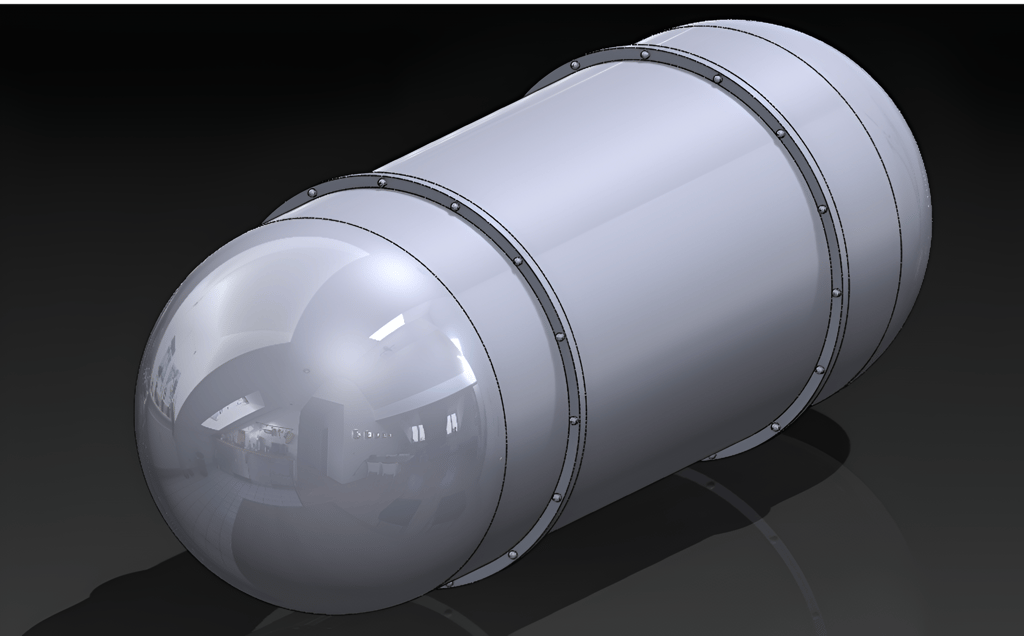
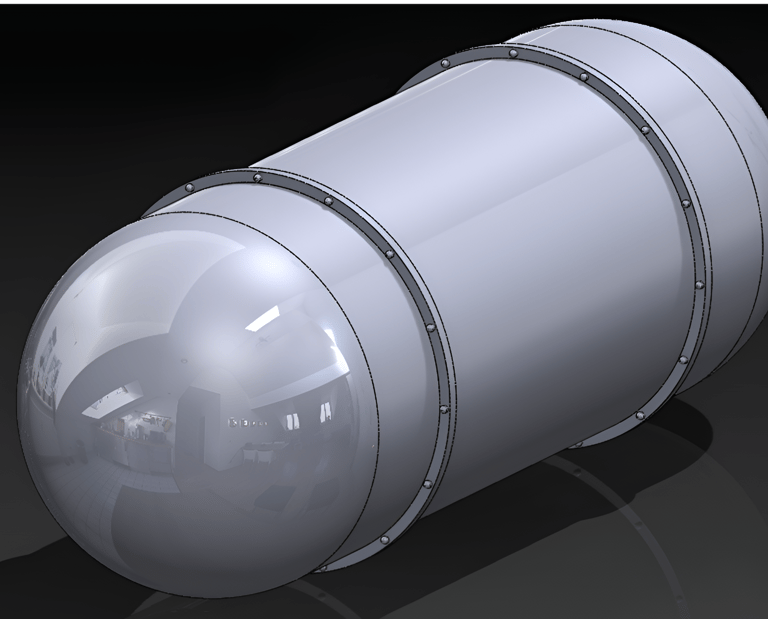
This project involved the design and evaluation of a compressed hydrogen fuel tank for a hydrogen internal combustion engine vehicle. The system was sized to meet a target driving range while minimizing mass and satisfying pressure vessel safety requirements.
Engineering Problem
Achieve a minimum vehicle range of 400 km using compressed hydrogen storage
Size a pressure vessel for 350 bar operating pressure using realistic drive-cycle demand
Minimize tank mass while maintaining acceptable factors of safety
Compare candidate materials for structural performance and feasibility
Approach & Methodology
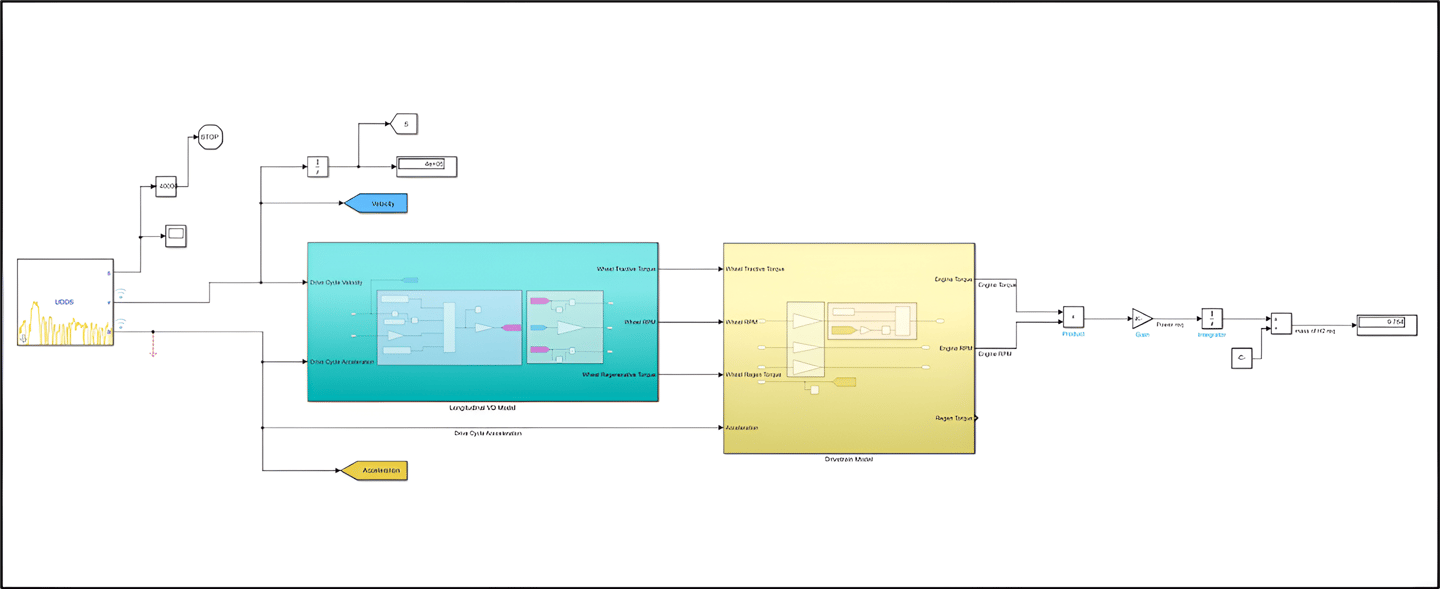
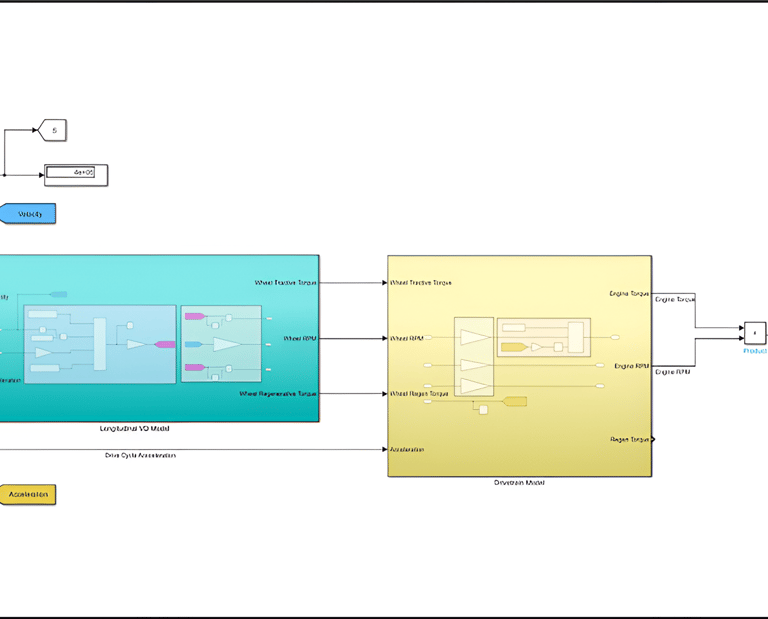
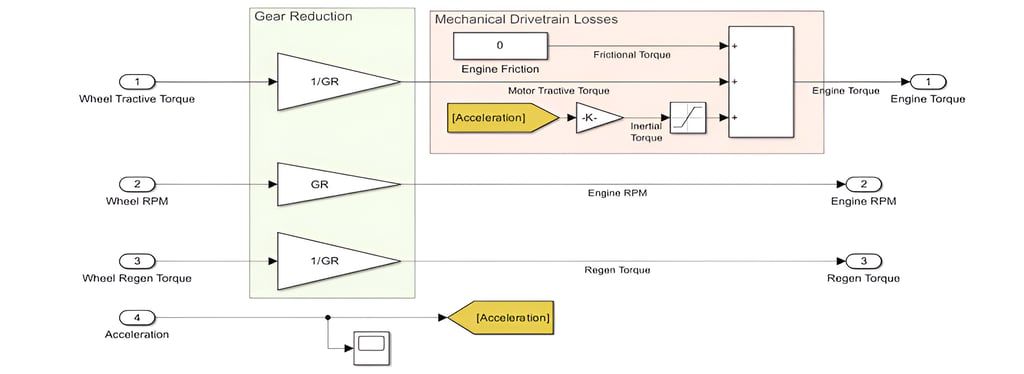
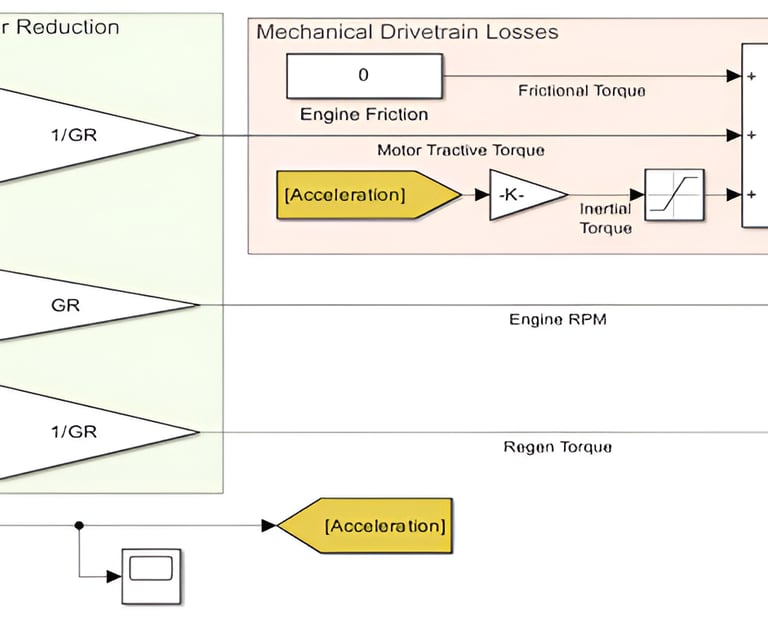
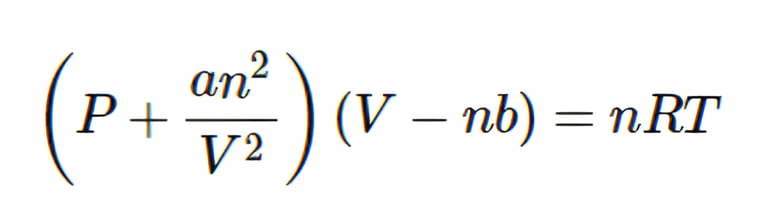
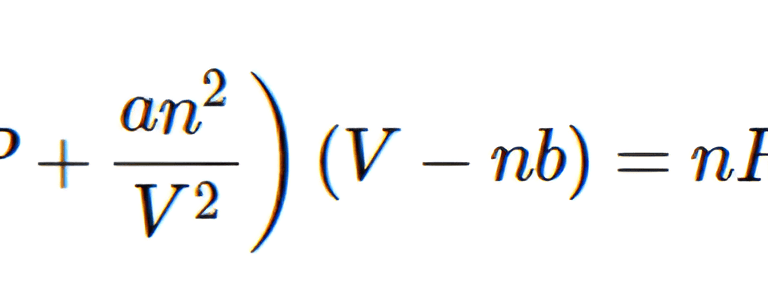
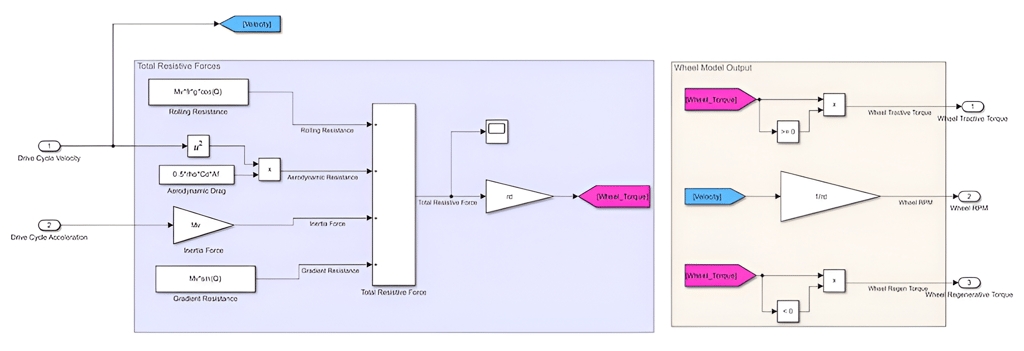
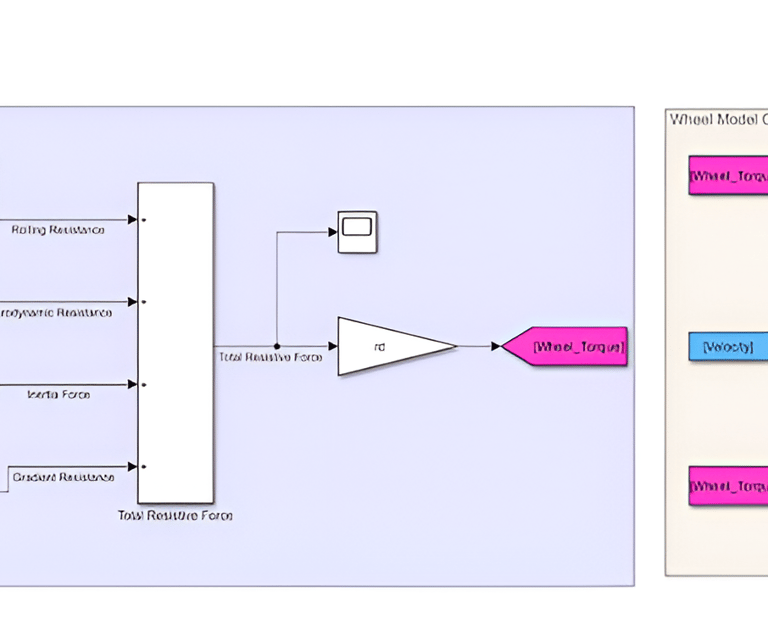
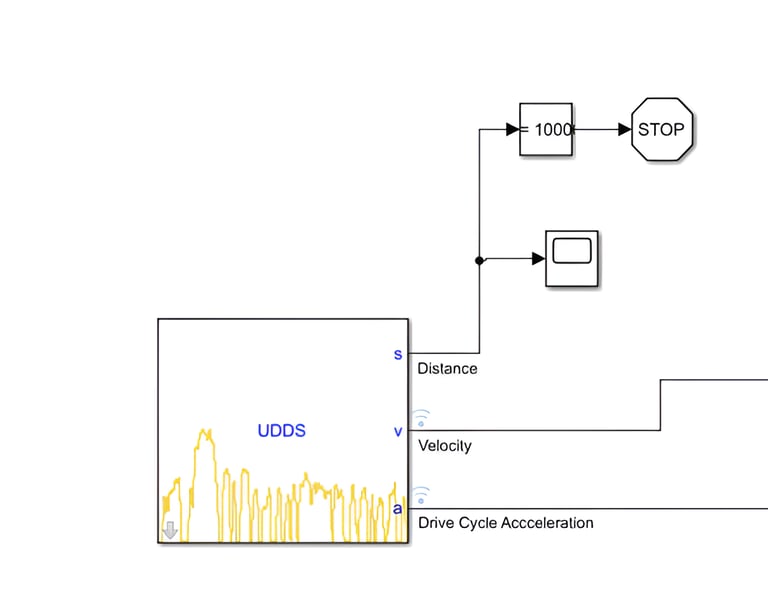
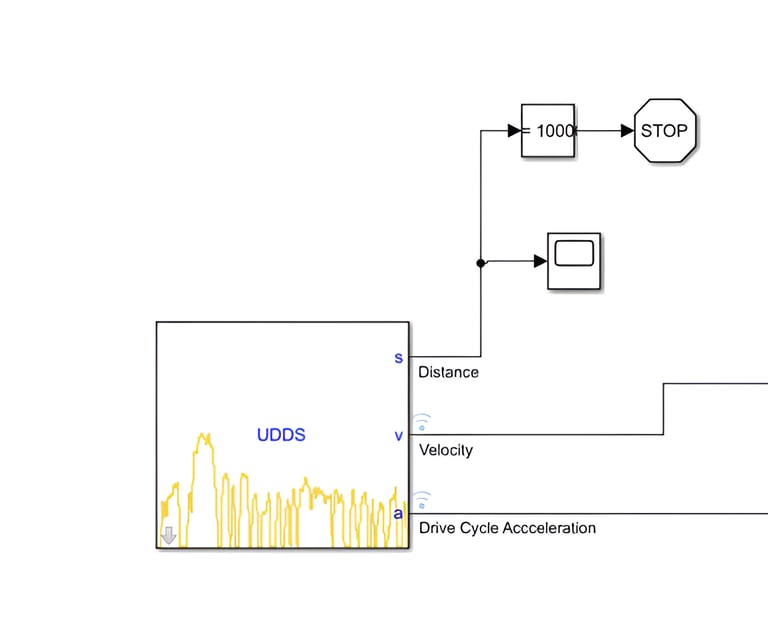
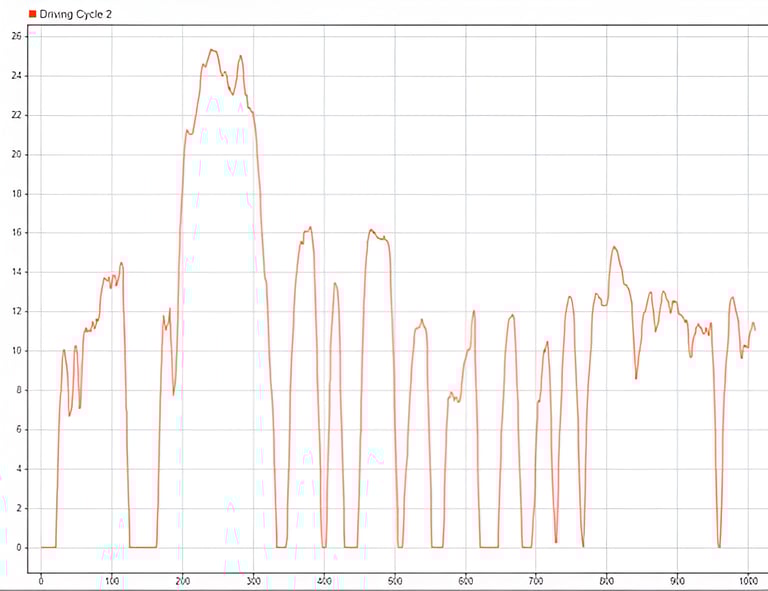
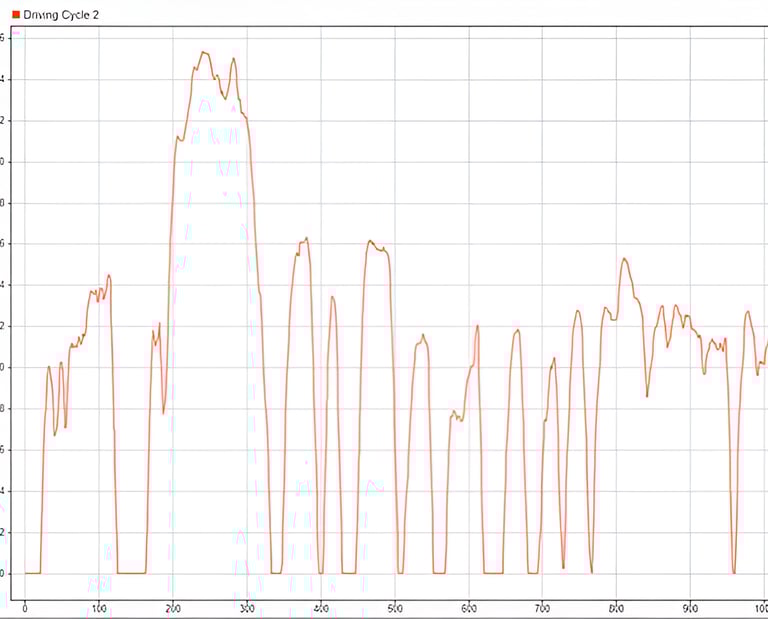
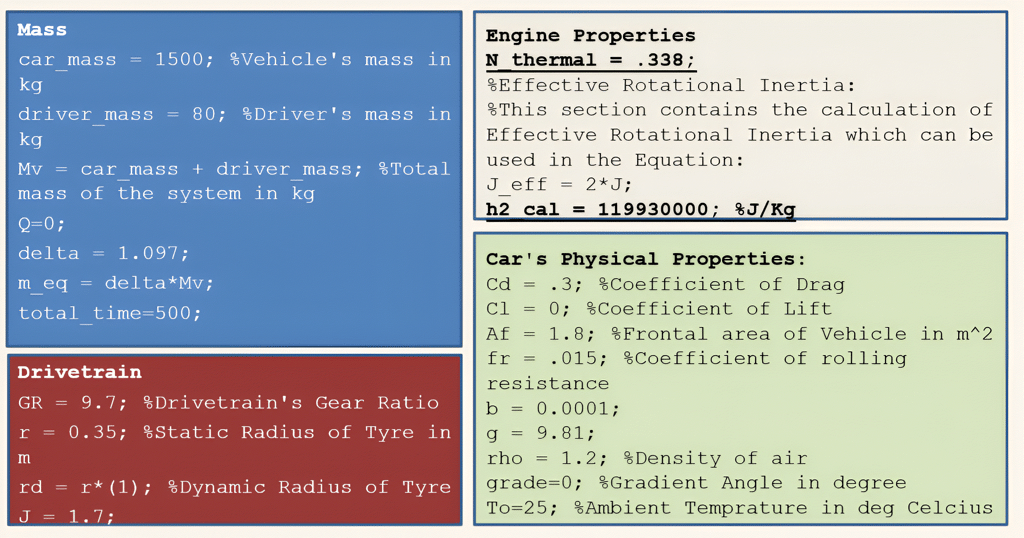
A longitudinal vehicle sizing model was developed in Simulink using the UDDS urban drive cycle to estimate hydrogen consumption. BMW i3 vehicle parameters were adopted to model drivetrain, aerodynamic, and rolling losses. Required hydrogen mass was converted to storage volume using the Van der Waals real gas equation at 350 bar and 273 K.
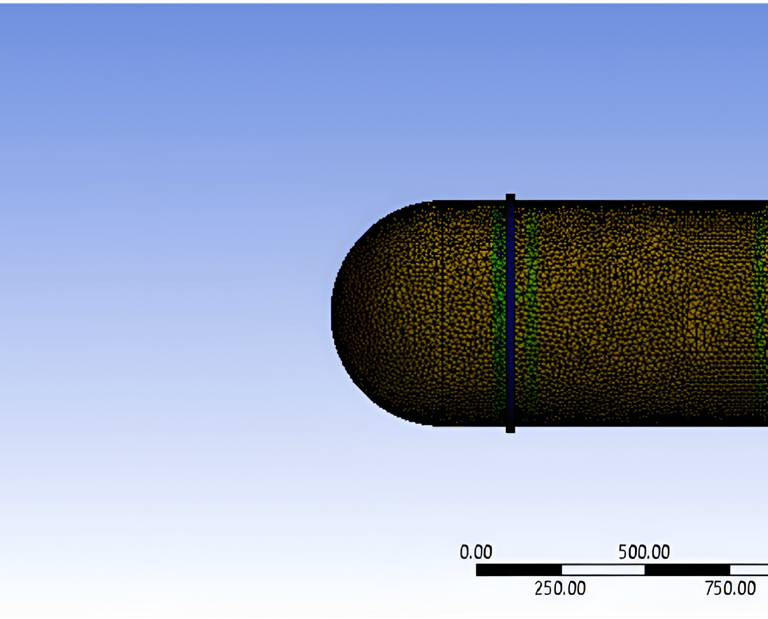
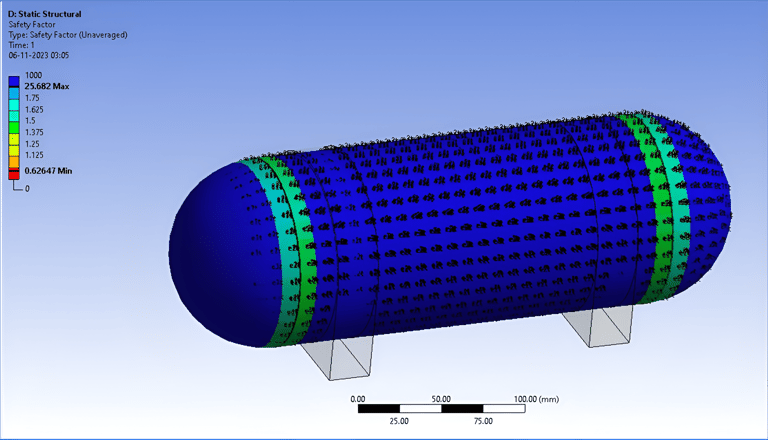
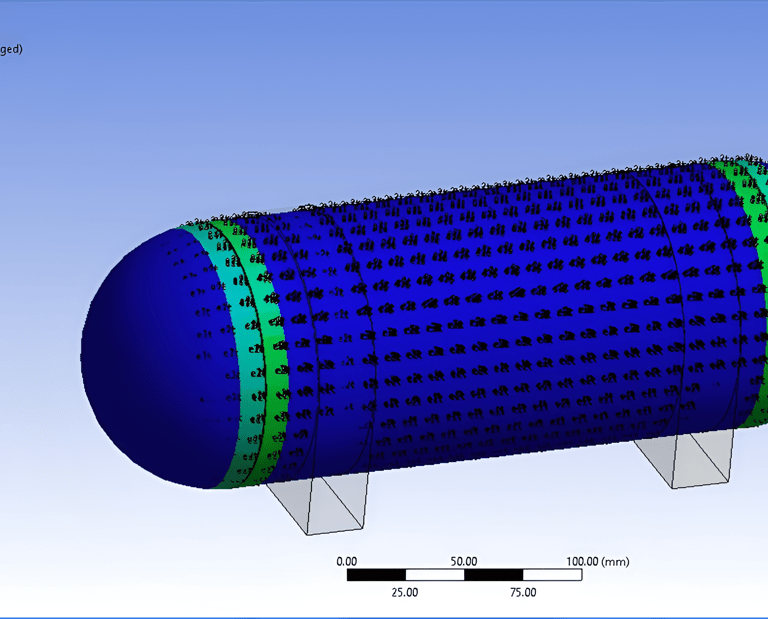
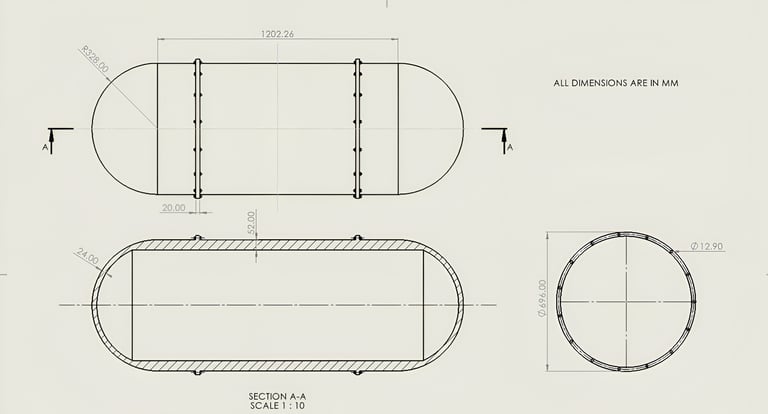
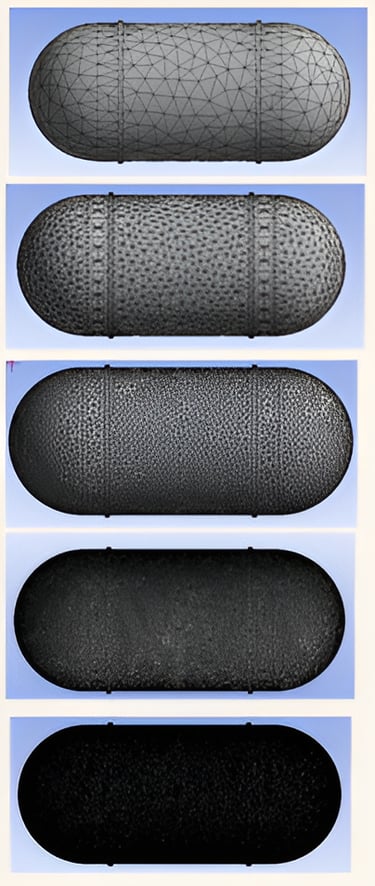
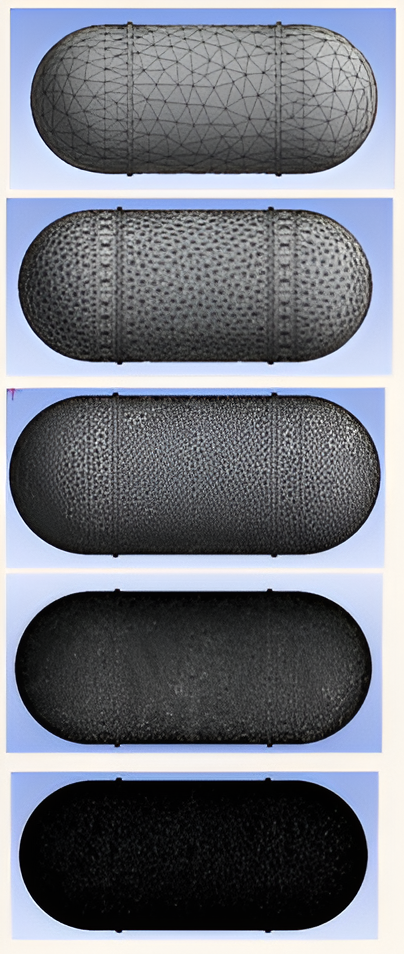
Analytical pressure-vessel calculations were performed for circumferential and longitudinal stresses to determine minimum wall thickness. Multiple materials were then evaluated using finite-element simulations, including structural steel, titanium, and carbon-fiber composites. Composite tanks were modeled using layered laminate definitions in ANSYS ACP, followed by structural simulations and mesh convergence studies.
Key Results
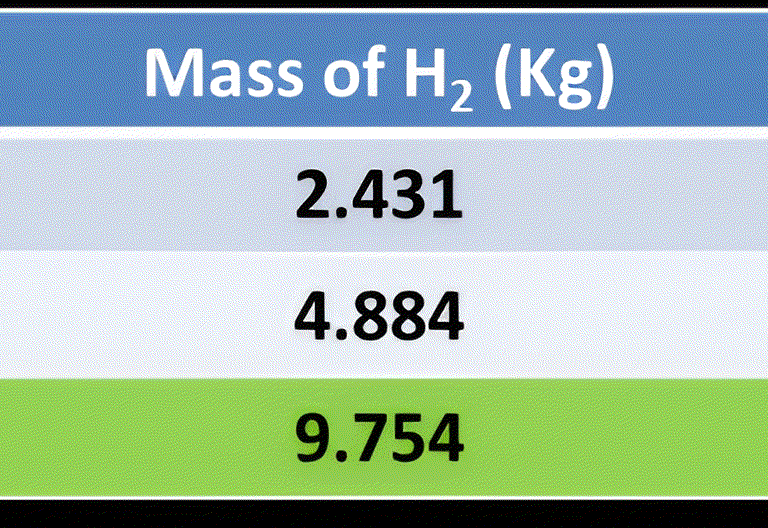
Required hydrogen mass for 400 km range: 9.754 kg
Corresponding tank volume at 350 bar: ~401 L
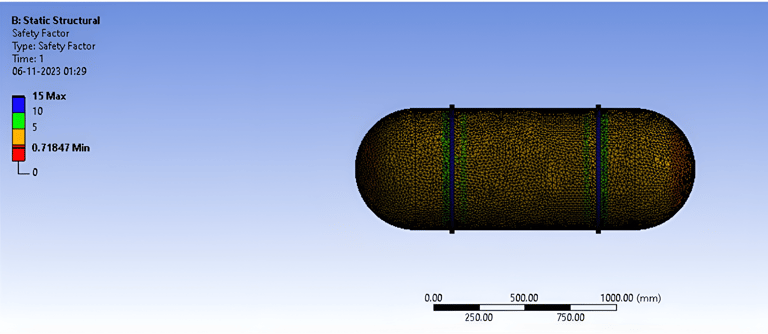
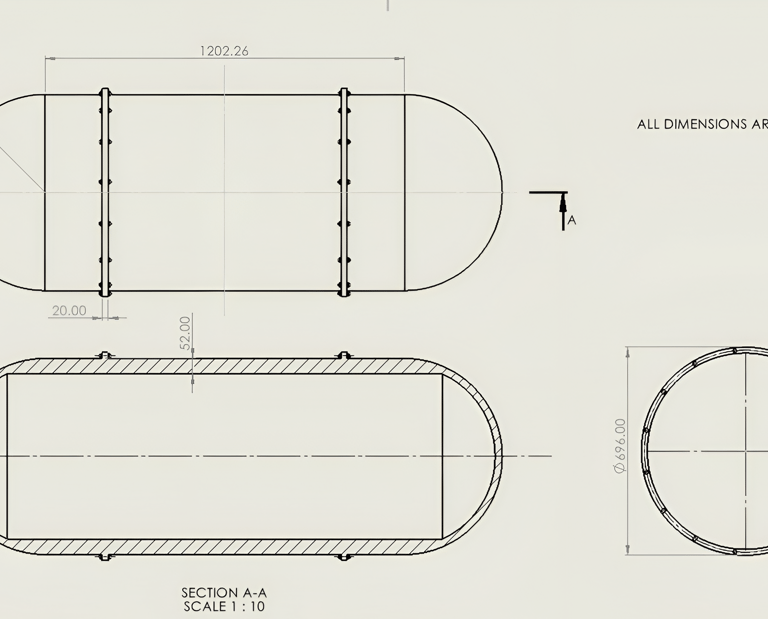
Steel pressure vessel required wall thickness: 52 mm, resulting in minimum FOS ≈ 0.72 (unacceptable)
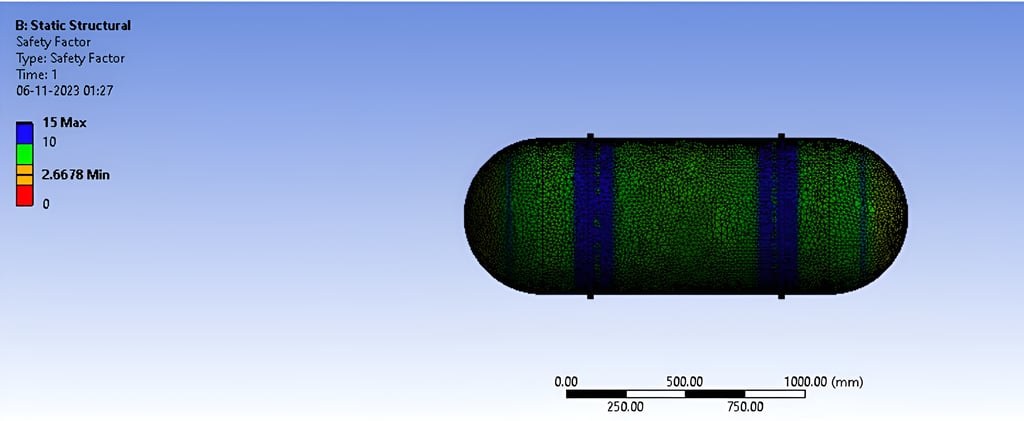
Titanium pressure vessel achieved minimum FOS ≈ 2.67 under identical conditions
Carbon-fiber composite vessel (5 layers, 0–90° woven laminate + 2 mm polyethylene core) achieved FOS ≈ 1.375
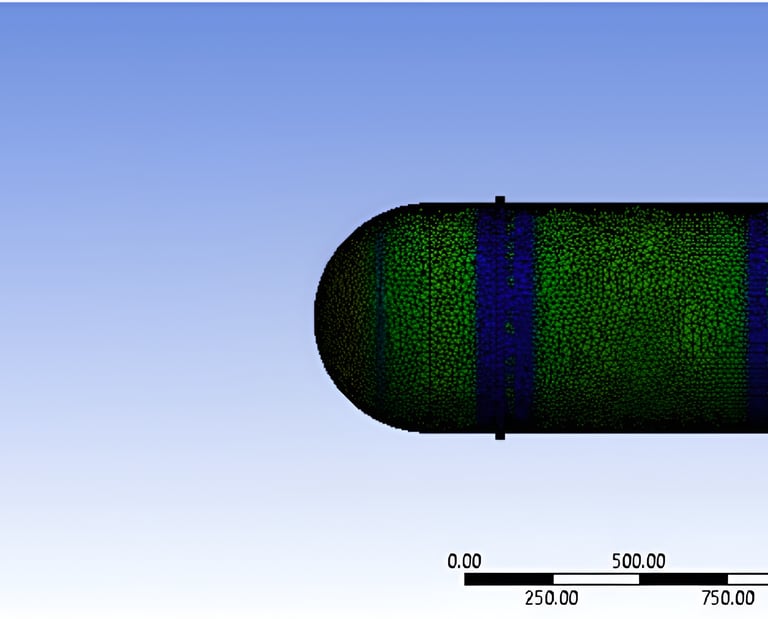
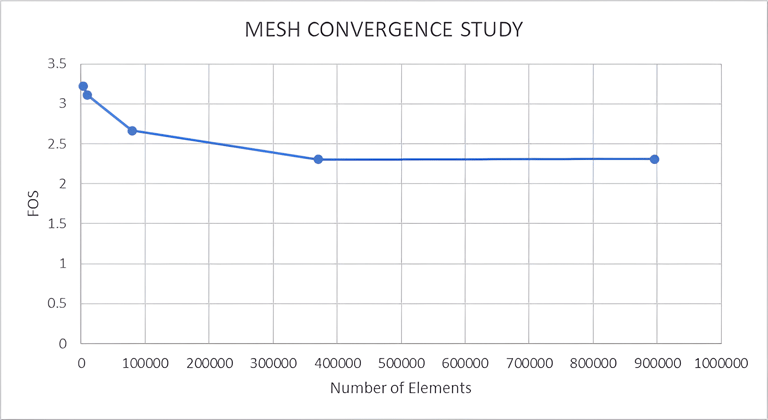
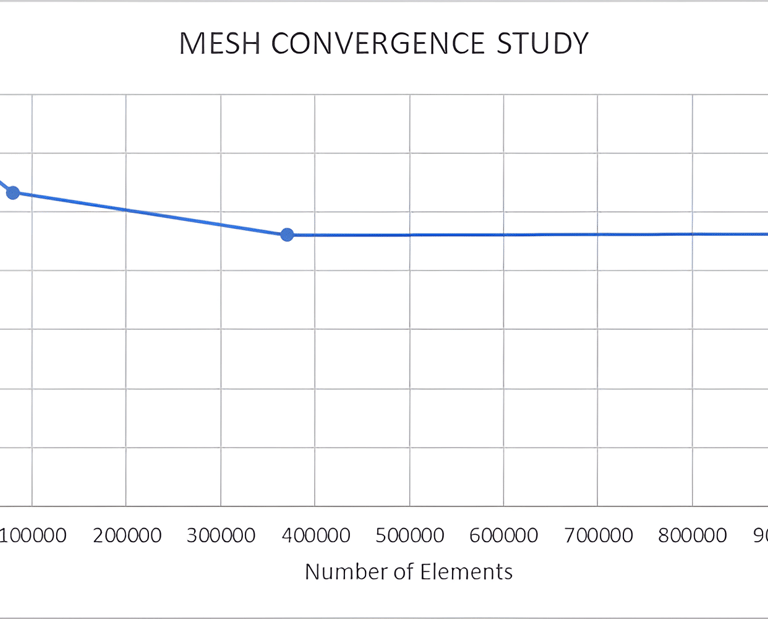
Mesh convergence study identified 10 mm element size as optimal for simulations
Engineering Judgment & Trade-offs
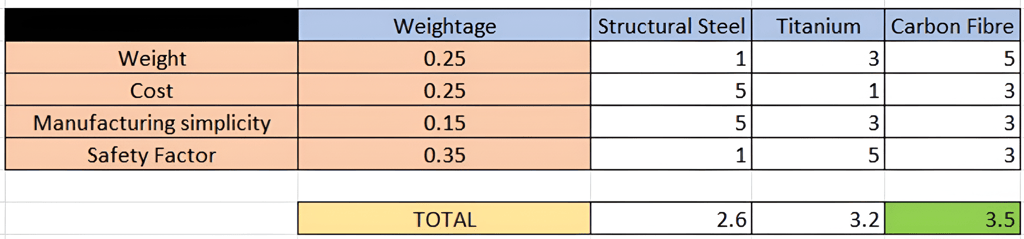
Structural steel was eliminated due to insufficient safety margins at practical wall thicknesses. Titanium offered excellent safety but at higher material cost and mass. Carbon-fiber composites provided an acceptable factor of safety with significantly lower mass, making them the preferred option despite increased manufacturing complexity and reliance on laminate quality control.
Tools & Methods
MATLAB/Simulink vehicle sizing, SOLIDWORKS CAD, ANSYS Mechanical, ANSYS ACP for composite modeling, analytical pressure-vessel calculations.
Outcome / Takeaway
The project demonstrated a complete workflow from drive-cycle-based fuel sizing to structural validation of a high-pressure hydrogen tank. A carbon-fiber composite pressure vessel was identified as the optimal solution for meeting range, safety, and mass objectives in hydrogen ICE applications.