Wind Tunnel Testing
Jun 2022 - Oct 2022 | IIT Roorkee Motorsports
Project Context
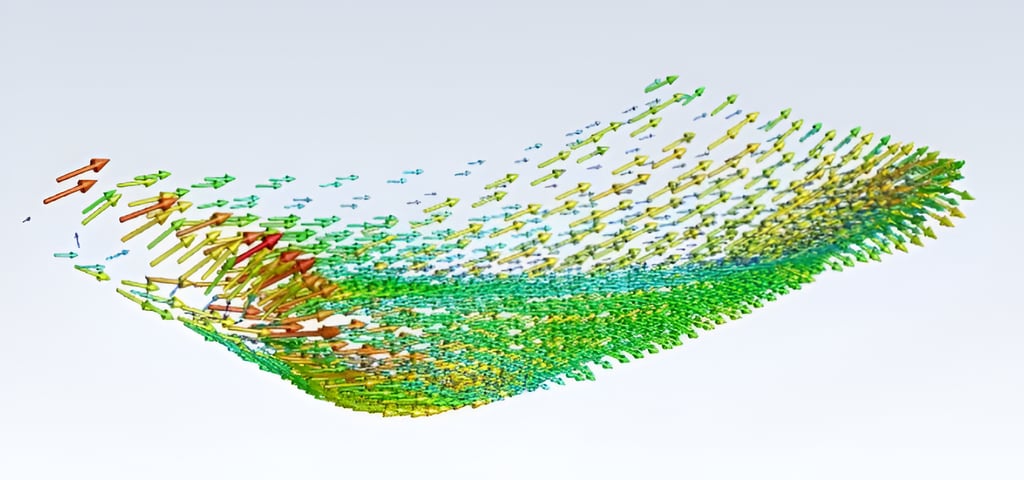
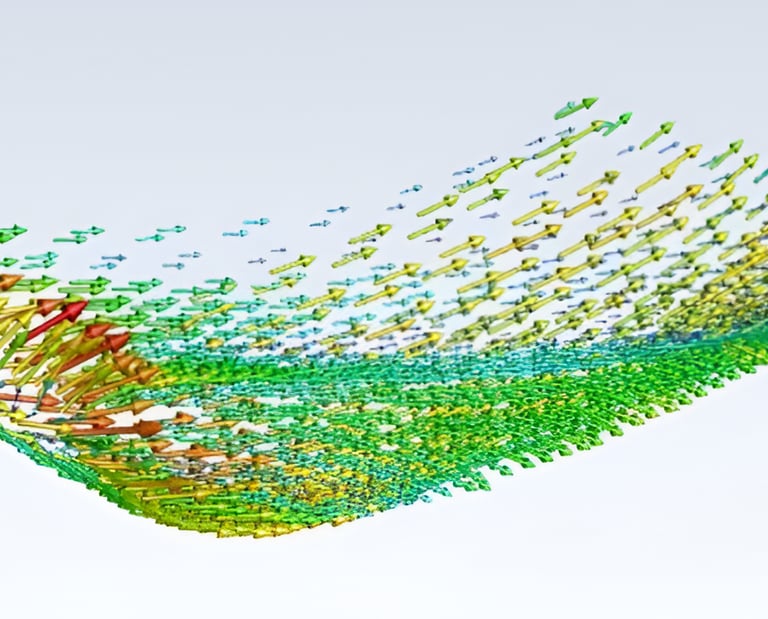
Aerodynamic performance of an FSAE rear wing and undertray diffuser was evaluated using CFD and experimental wind tunnel testing. Numerical simulations were validated against scaled physical testing to assess accuracy, scaling effects, and diffuser parameter sensitivity.
Engineering Problem
Select an airfoil with high aerodynamic efficiency at low Reynolds numbers
Quantify discrepancies between CFD predictions and wind tunnel measurements
Evaluate the impact of geometric scaling on lift and drag coefficients
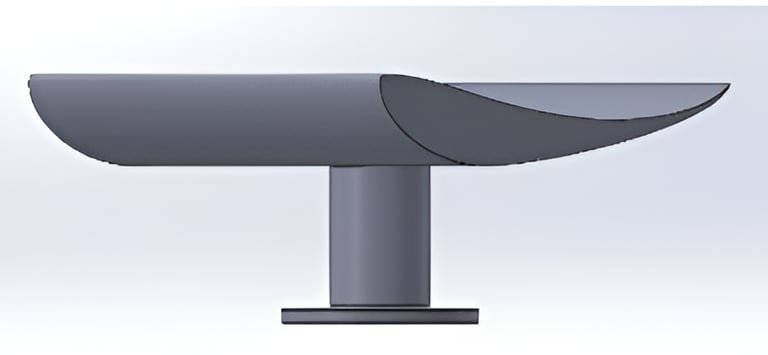
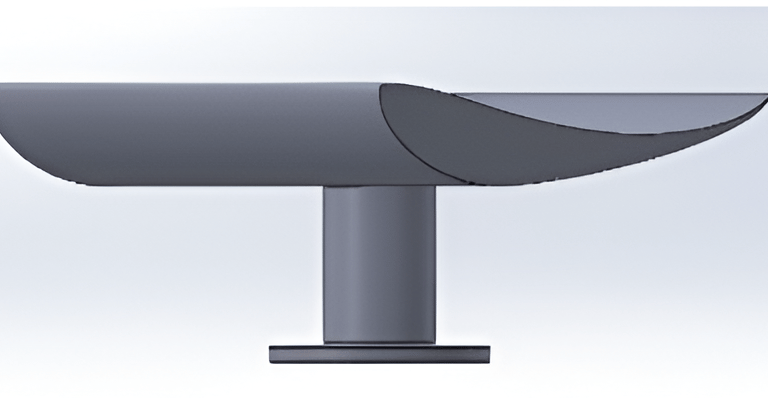
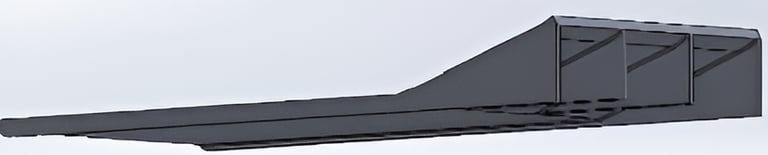
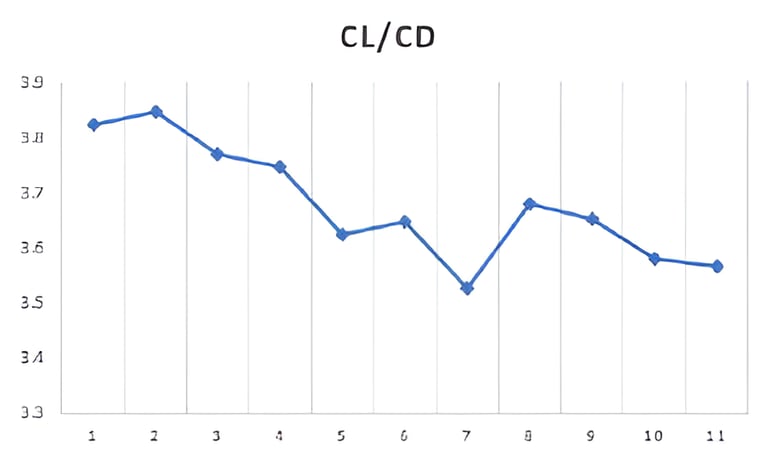
Identify diffuser geometric parameters that maximize Cl/Cd without flow separation
Approach & Methodology
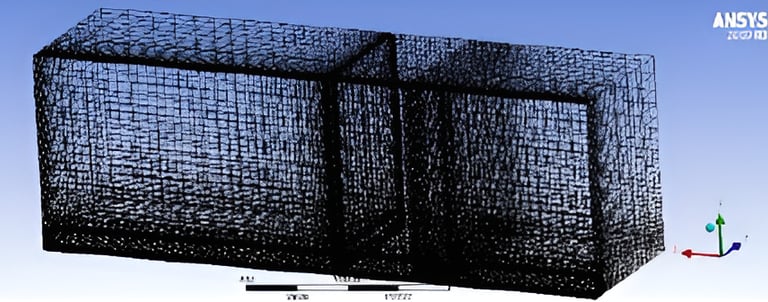
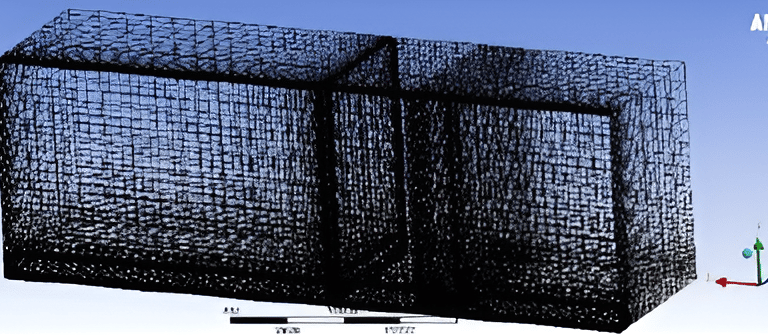
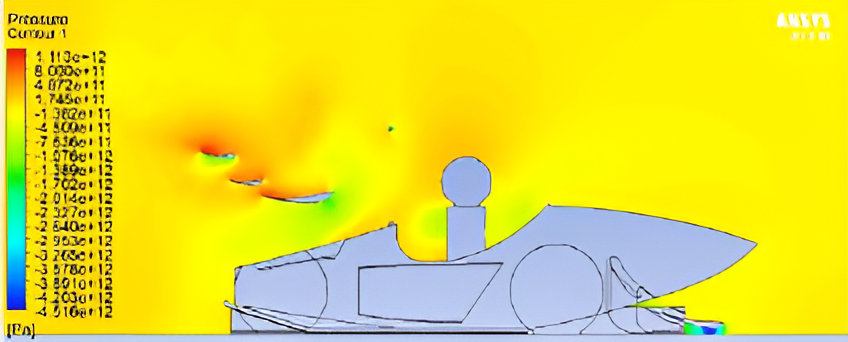
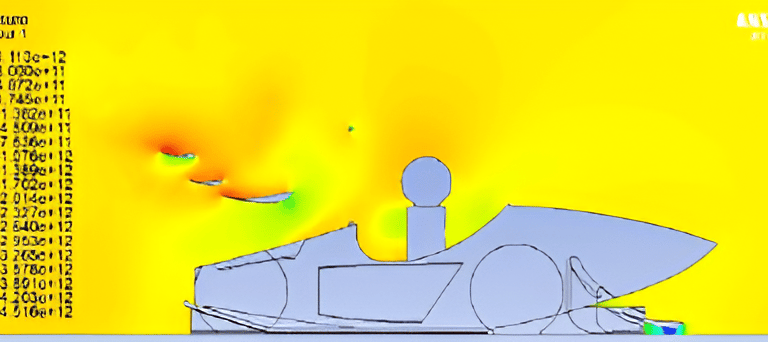
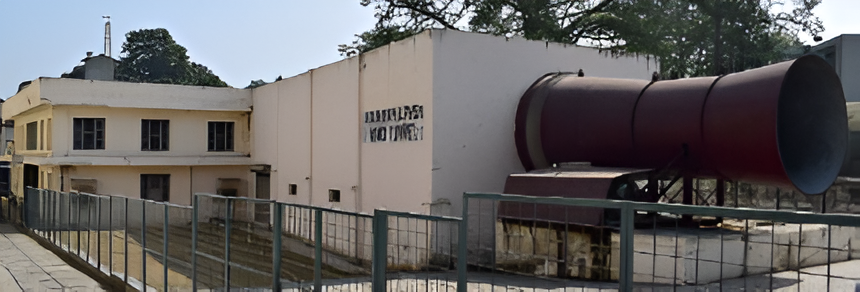
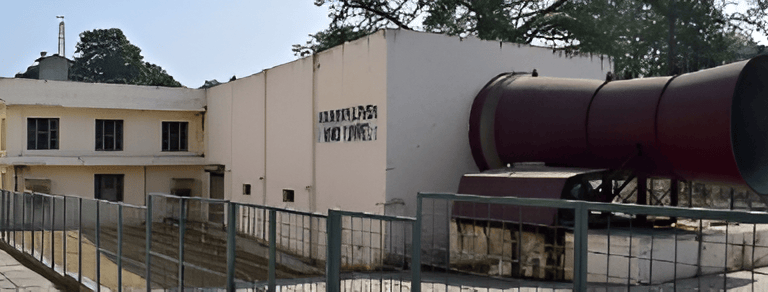
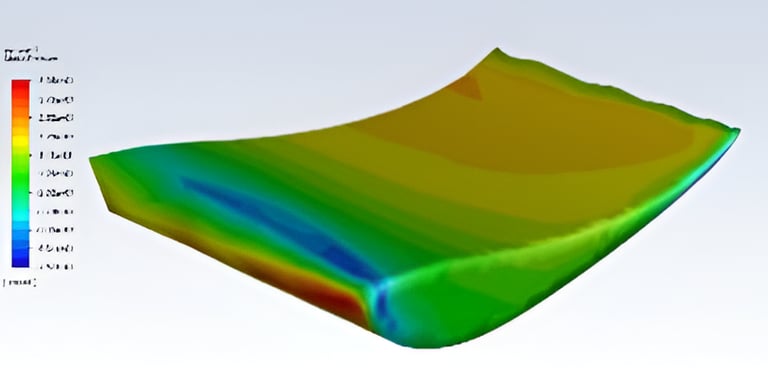
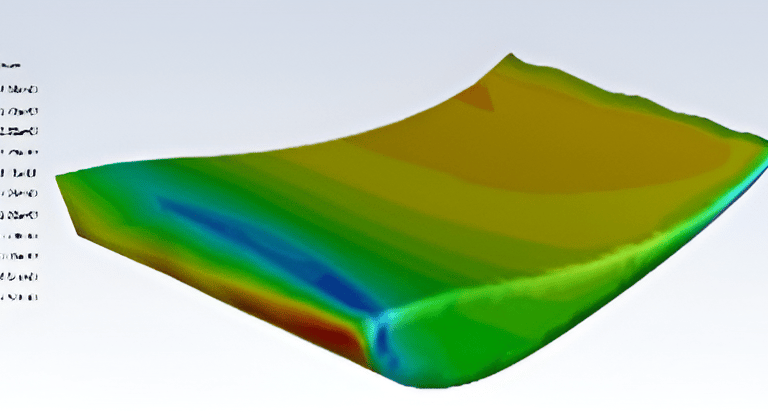
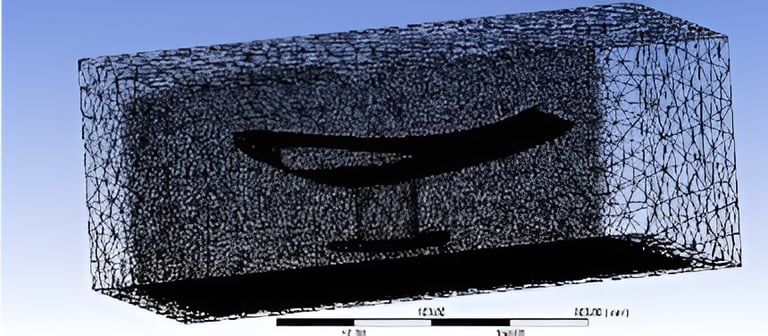
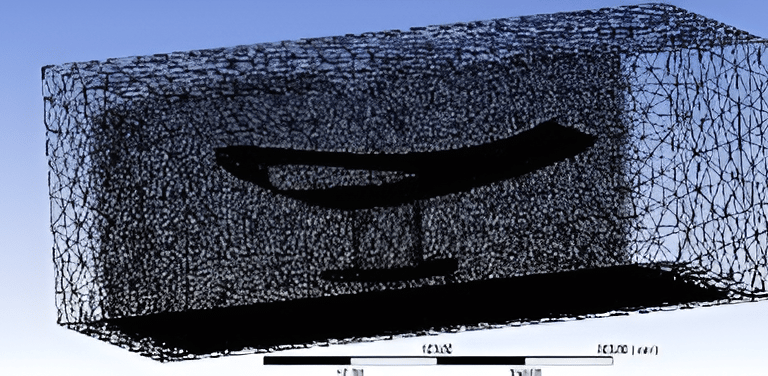
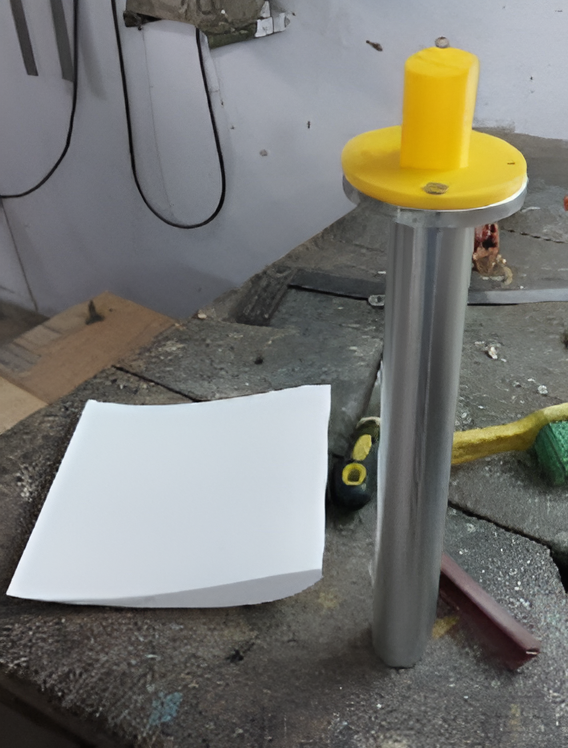
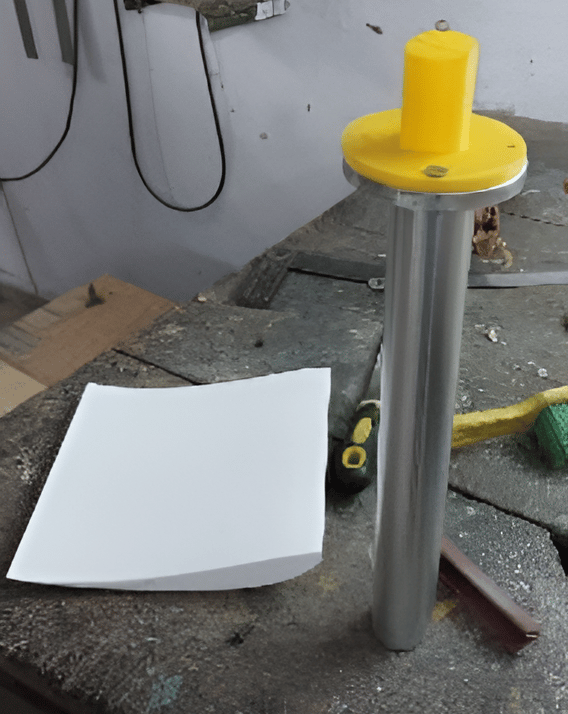
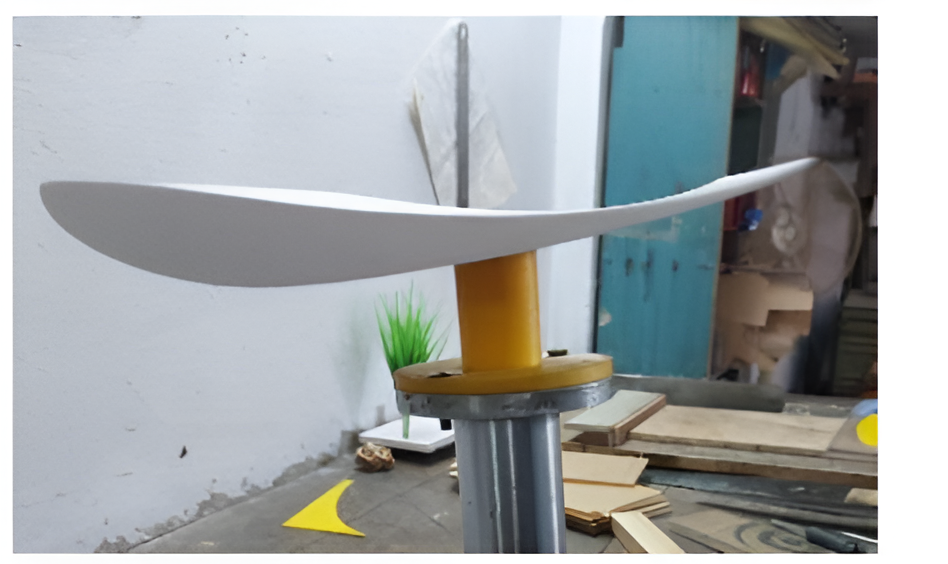
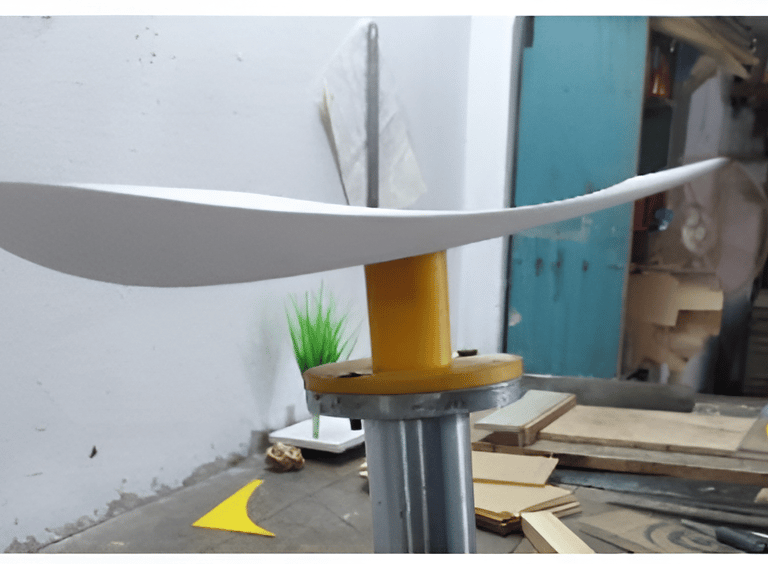
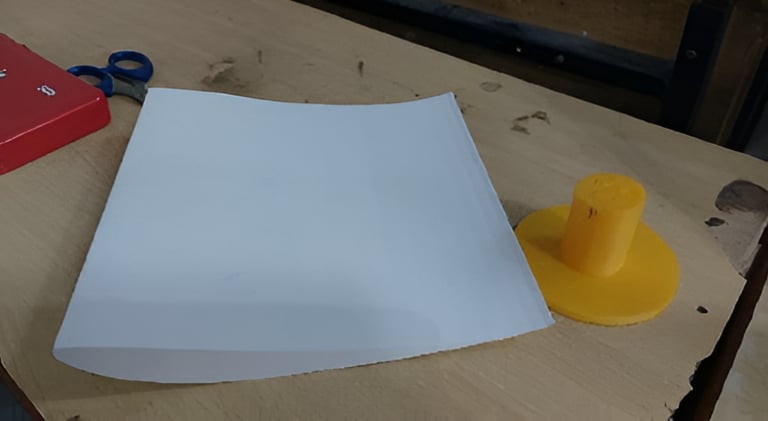
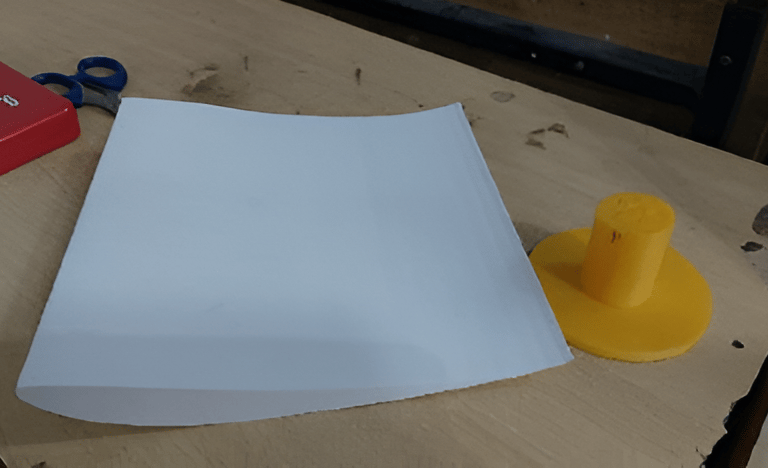
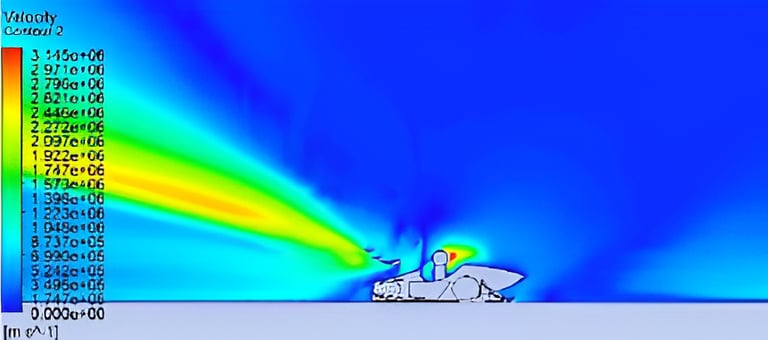
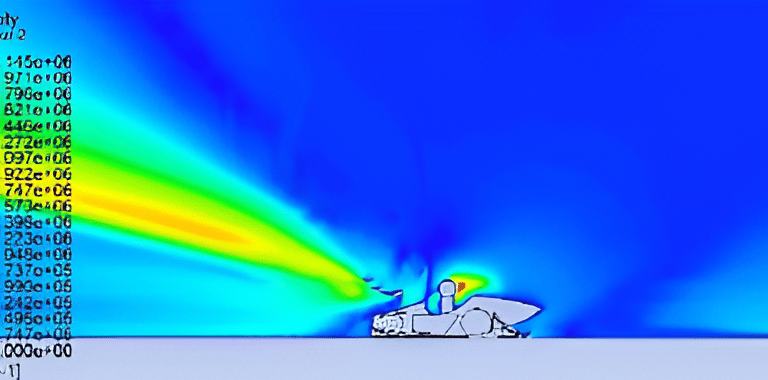
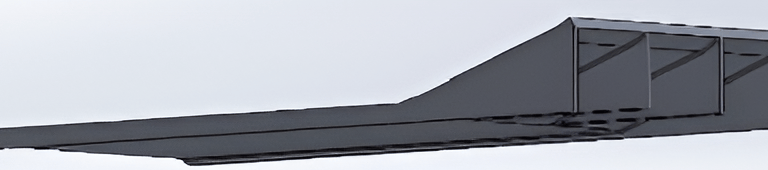
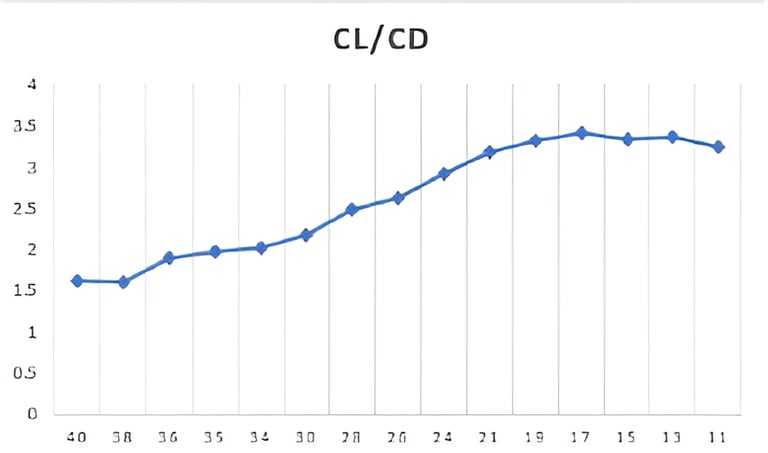
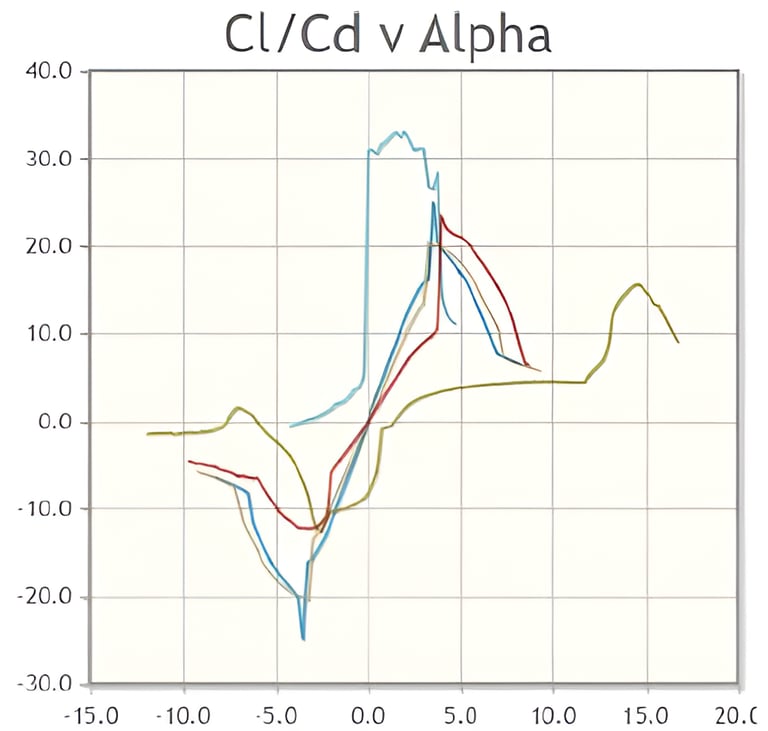
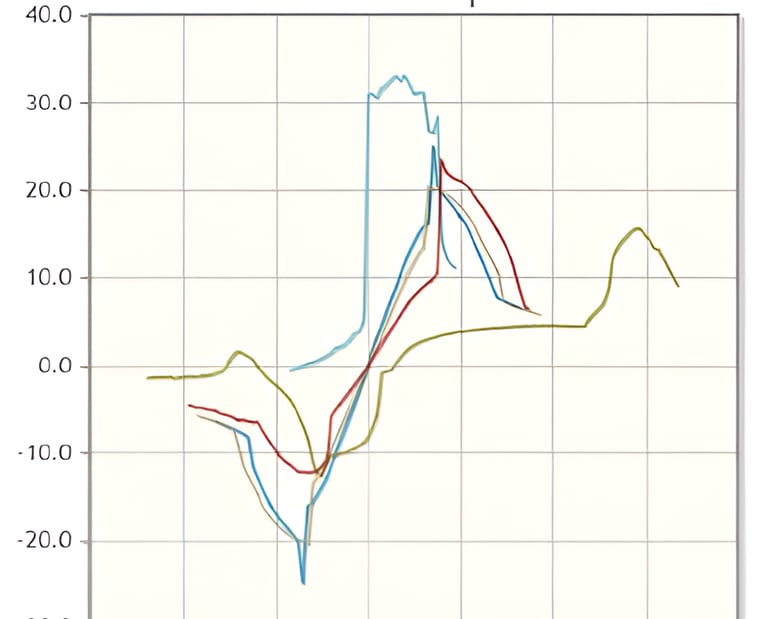
Candidate airfoils were compared at identical Reynolds numbers, leading to the selection of Selig S1223il based on Cl/Cd trends. 2.5D and 3D CFD simulations were performed in ANSYS Fluent using the k-ω SST turbulence model. A scaled airfoil model was 3D printed and tested in a closed-circuit wind tunnel under multiple flow speeds and ground clearances. Diffuser geometry was parametrically varied to determine optimal inlet angle, outlet angle, and ground height. The optimized diffuser was integrated into a full-car CFD model.
Key Results
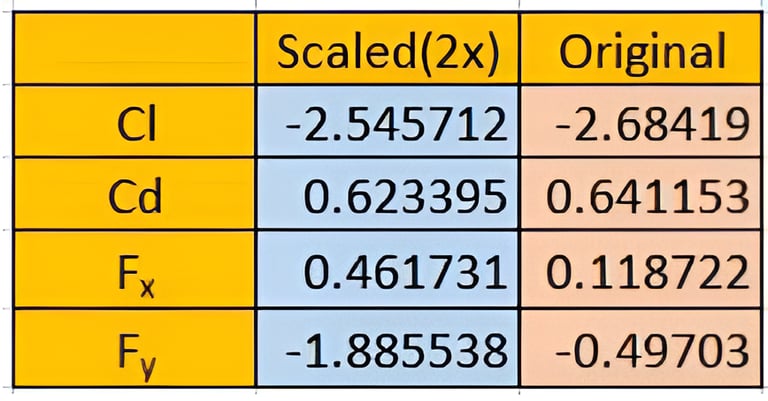
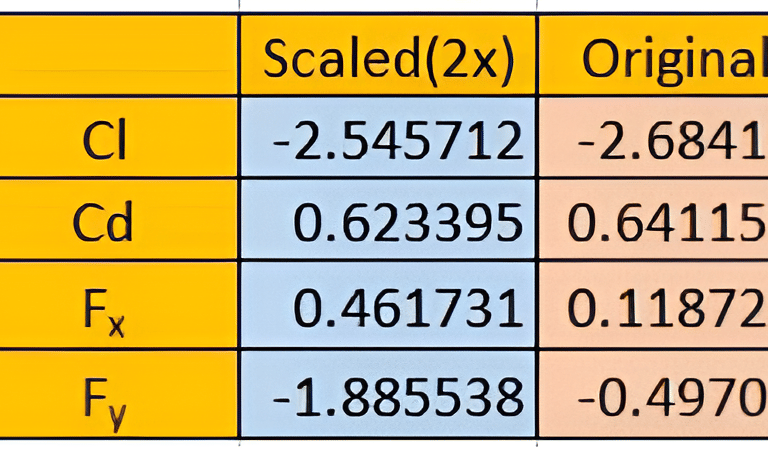
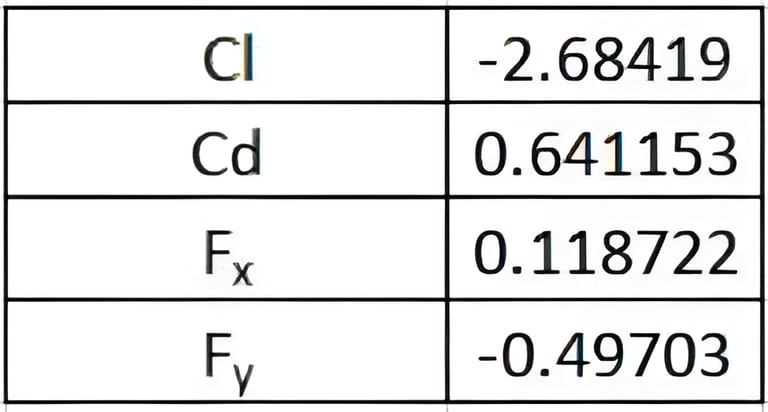
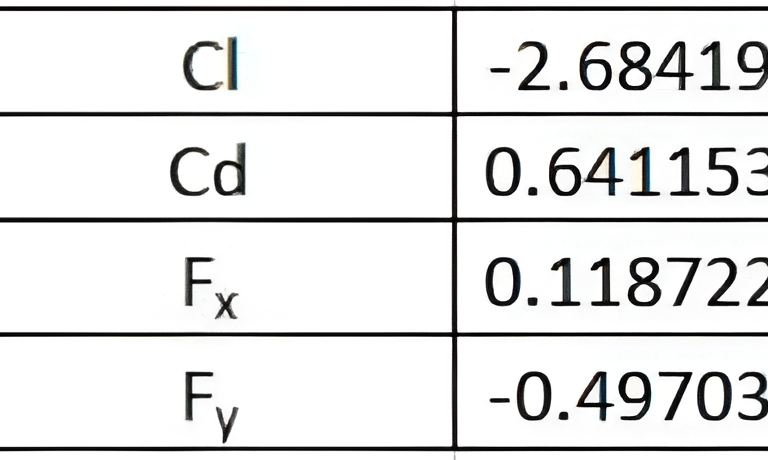
Scaling the airfoil geometry by 2× increased Cl by 5.16% and reduced Cd by 2.77%
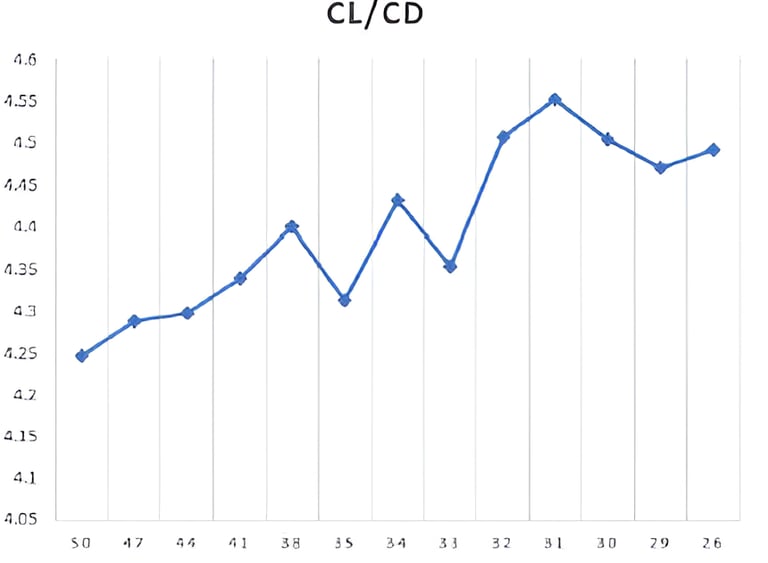
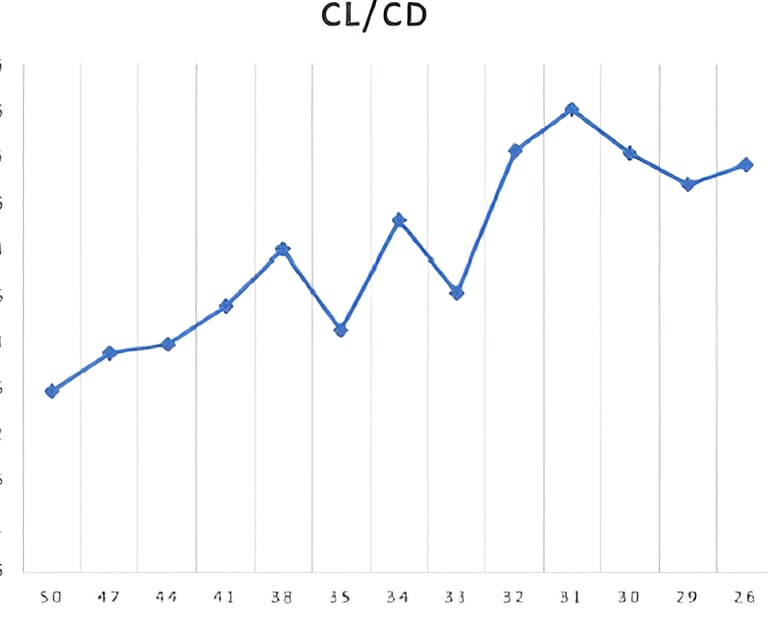
Diffuser optimization achieved a maximum Cl/Cd of 4.55
Optimal diffuser parameters identified:
Outlet angle: 27°
Inlet angle: 2°
Ground clearance: 31 mm
Significant changes observed in absolute force values (Fx, Fy) due to increased surface area with scaling
Engineering Judgment & Trade-offs
Higher Cl/Cd was prioritized over absolute downforce to limit drag penalties and avoid flow separation. Diffuser angles were constrained below separation thresholds despite potential gains at steeper geometries. Wind tunnel data was treated cautiously due to known sensor inaccuracies, emphasizing CFD trends over absolute experimental values.
Tools & Methods
SOLIDWORKS, ANSYS Fluent (k-ω SST), 3D printing (PLA), closed-circuit wind tunnel testing.
Outcome / Takeaway
CFD accurately captured aerodynamic trends and scaling effects despite experimental limitations. The study validated diffuser parameter sensitivity and provided an optimized undertray configuration suitable for full-vehicle aerodynamic integration.